
Every Drop Counts
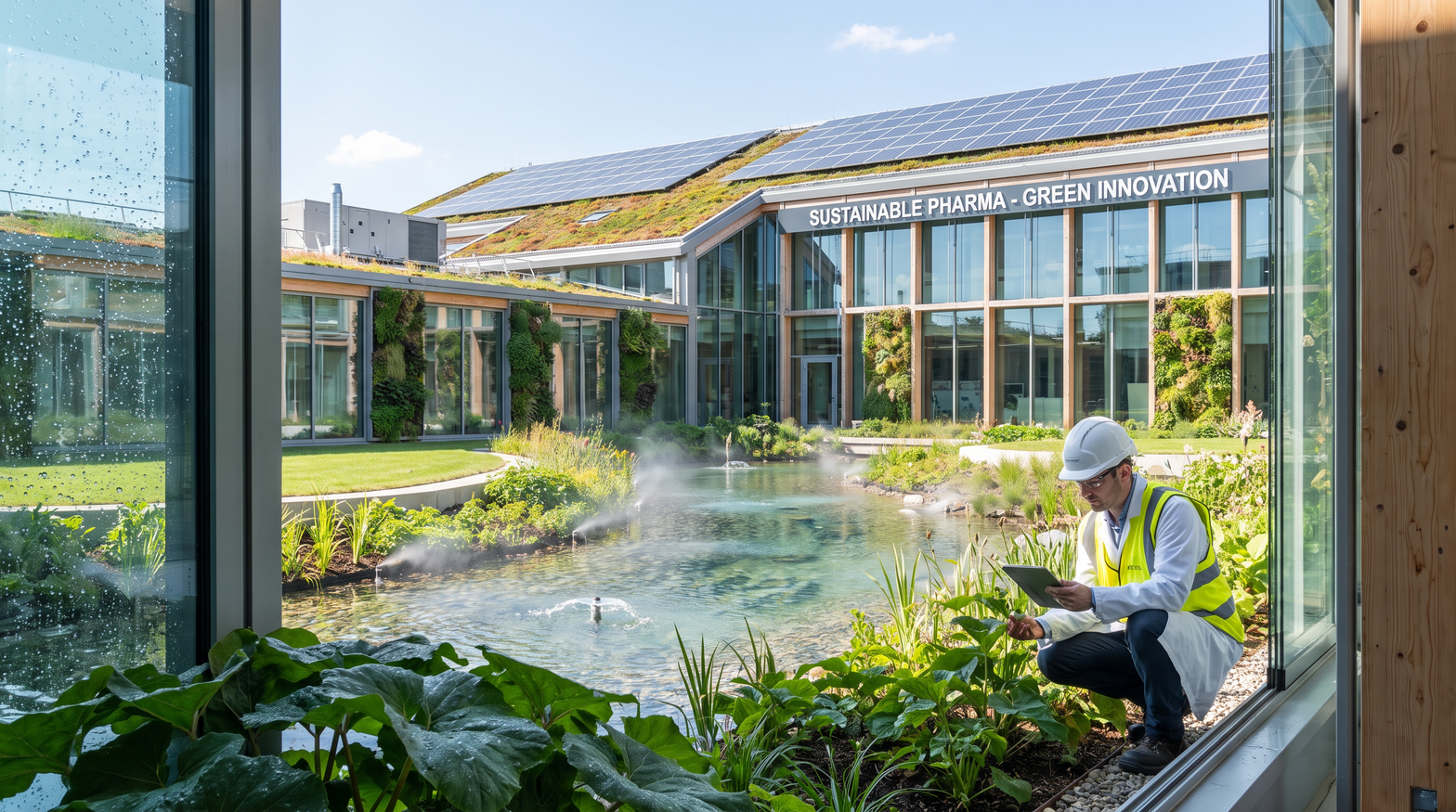
A single dripping faucet can waste thousands of gallons of water a year. Now imagine the water footprint of a large manufacturing facility, running around the clock, and you begin to grasp both the scale of the challenge and the scale of the opportunity. Across industries, employees are proving that environmental progress does not always start with sweeping mandates. Often, it begins with a simple question: could we do this better?
Why Water Matters More Than Ever
Water is easy to take for granted, until it becomes scarce. Growing populations, changing climates, and increasing industrial demand are placing unprecedented pressure on freshwater resources. For manufacturers, especially in water-intensive fields like pharmaceuticals, responsible water stewardship is both an environmental imperative and an operational necessity.
The encouraging news is that water conservation and business performance are not in conflict. In fact, they frequently reinforce each other. Water saved is often energy saved, cost avoided, and risk reduced, all while protecting a resource every community depends on.
"Sustainability isn't a department. It's a mindset that every employee can carry into their daily work."
Small Ideas, Enormous Impact
Some of the most impressive conservation results come not from expensive new technology, but from employees looking closely at existing processes and spotting waste others had stopped noticing. Consider the kinds of ideas that, when implemented, can save millions of gallons of water:
- Reusing process water: Water used in one stage of manufacturing can often be captured, treated, and reused rather than discarded.
- Optimizing cooling systems: Cooling towers and equipment can be tuned to use water far more efficiently.
- Fixing the invisible losses: Systematic leak detection catches slow, hidden waste that quietly adds up over time.
- Rethinking cleaning cycles: Adjusting the frequency and method of equipment cleaning can dramatically reduce consumption without compromising quality.
Individually, each change might seem modest. Collectively, they transform a facility's environmental footprint.
The Anatomy of a Conservation Win
How does a good idea become millions of gallons saved? The journey typically follows a recognizable path:
- Observation: An employee notices a process that seems wasteful or inefficient.
- Investigation: The team measures actual usage, establishing a clear baseline.
- Innovation: They design a smarter approach, often testing it on a small scale first.
- Implementation: The solution is rolled out, with careful monitoring to confirm results.
- Amplification: Successful ideas are shared across other sites, multiplying the impact.
That final step is where local wins become global change. A conservation method proven at one facility can be adapted and replicated at dozens of others, turning one person's insight into an organization-wide movement.
Climate Action as a Team Sport
Water conservation is one thread in a much larger tapestry of climate action. Reducing carbon emissions, minimizing waste, sourcing renewable energy, and designing greener facilities all contribute to a healthier planet. What unites these efforts is a recognition that meaningful progress requires everyone.
The most ambitious environmental goals are reached one practical improvement at a time.
When organizations empower employees to propose and lead sustainability initiatives, remarkable things happen. People closest to the work often see opportunities that top-down planning would miss. And when their ideas are taken seriously and acted upon, engagement soars, sustainability stops being someone else's job and becomes a source of shared pride.
From Facility to Community
The benefits of conservation extend well beyond the factory fence. Water preserved in operations is water left available for local communities, agriculture, and ecosystems. Facilities that reduce their environmental impact become better neighbors and stronger partners in the regions they call home.
Many organizations pair operational improvements with community efforts, from restoring local waterways to supporting environmental education. These initiatives deepen the connection between an organization and the people around it, reinforcing that environmental responsibility is a promise kept to future generations.
What You Can Do
You do not need to run a manufacturing plant to make a difference. The same mindset that drives large-scale conservation can guide everyday choices:
- Question routines that waste resources, at work and at home.
- Measure before you assume, data reveals where the real waste lies.
- Share ideas, even small ones; the best solutions often come from unexpected places.
- Celebrate progress to keep momentum alive.
Environmental stewardship is not a single grand gesture. It is a habit of continuous improvement, sustained by people who refuse to accept waste as inevitable. Every idea, every fix, and every gallon saved is a vote for a more sustainable future.
Because when it comes to protecting our planet, every drop truly does count.